Available courses

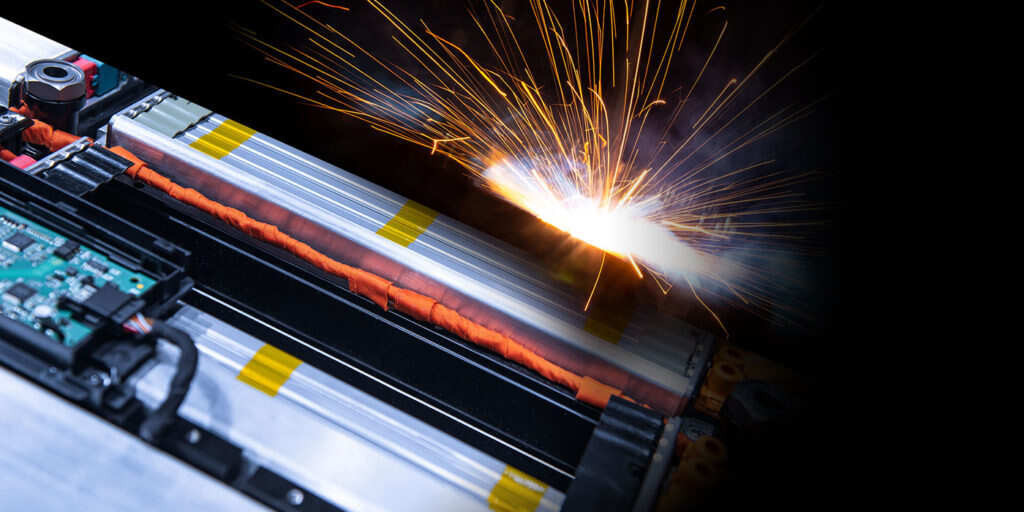
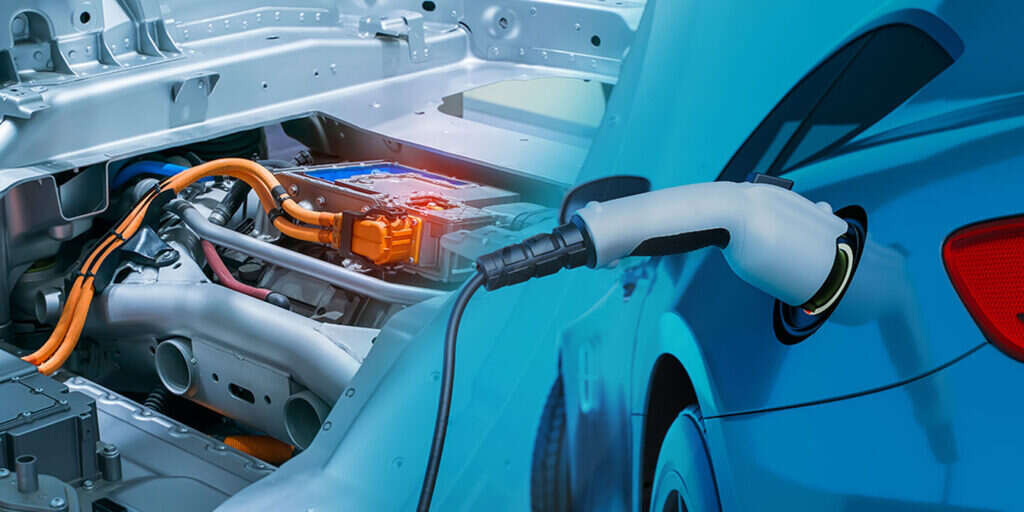
Designed for the modern structural technician, this course bridges the gap between traditional metalwork and high-voltage vehicle architecture. Learners will master safe de-energizing protocols for 2026-standard battery systems and explore advanced joining techniques for lightweight materials, including Ultra-High-Strength Steel (UHSS) and aluminum bonding. The curriculum emphasizes the "safety first" mindset necessary for repairing the structural integrity of vehicles with integrated battery trays, ensuring both the technician’s safety and the vehicle’s post-crash performance.

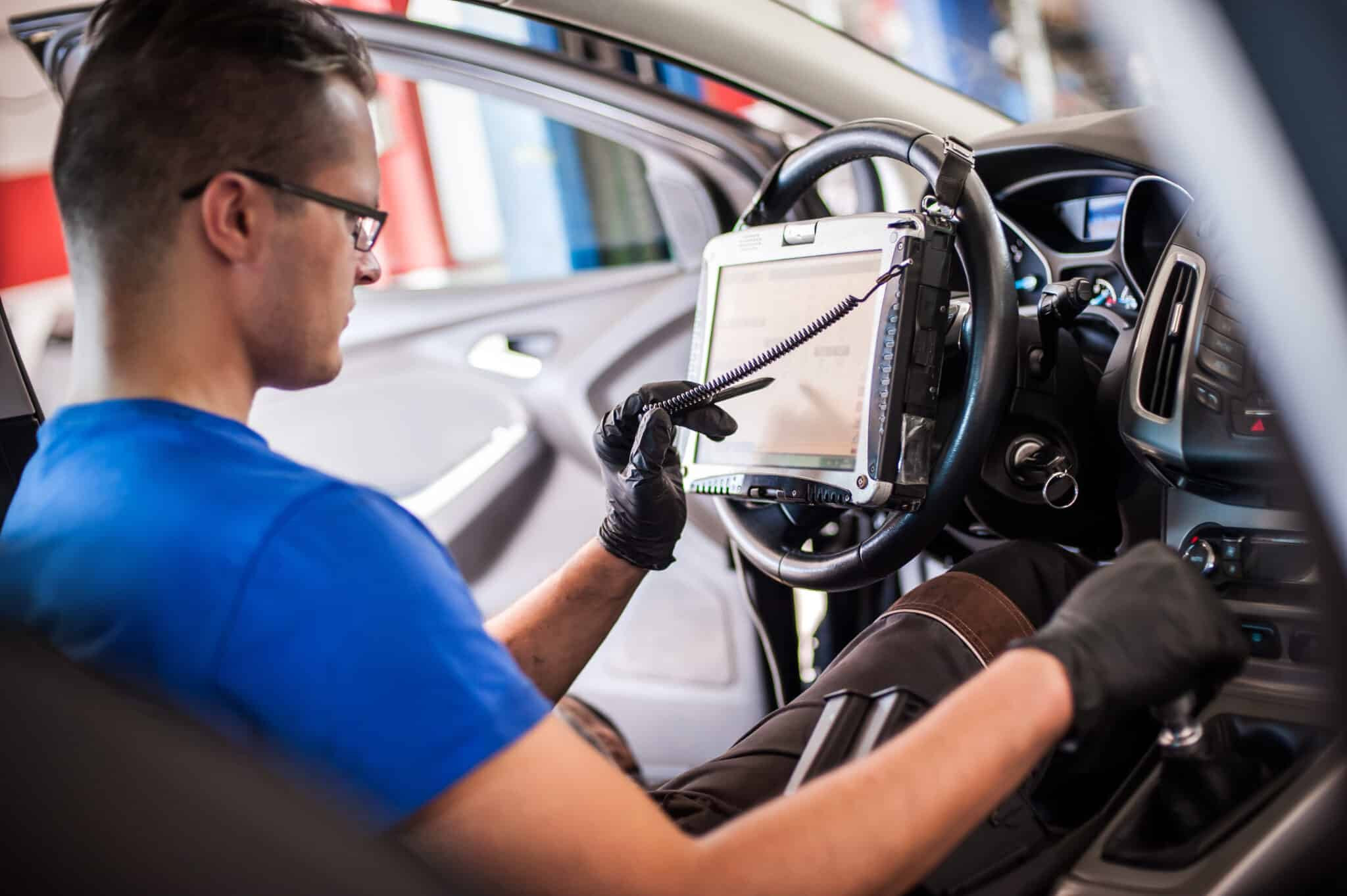
As of 2026, Advanced Driver Assistance Systems (ADAS) are no longer "optional" considerations in collision repair; they are central to vehicle safety. This course provides technicians with the protocols for pre- and post-repair scanning, static vs. dynamic calibration workflows, and the documentation required to mitigate liability. Students will learn to identify 2027-model-year sensor placements and master the use of diagnostic tools to ensure every safety-critical system—from Lane Keep Assist (LKA) to Pedestrian Automatic Emergency Braking (PAEB)—is returned to OEM specifications.

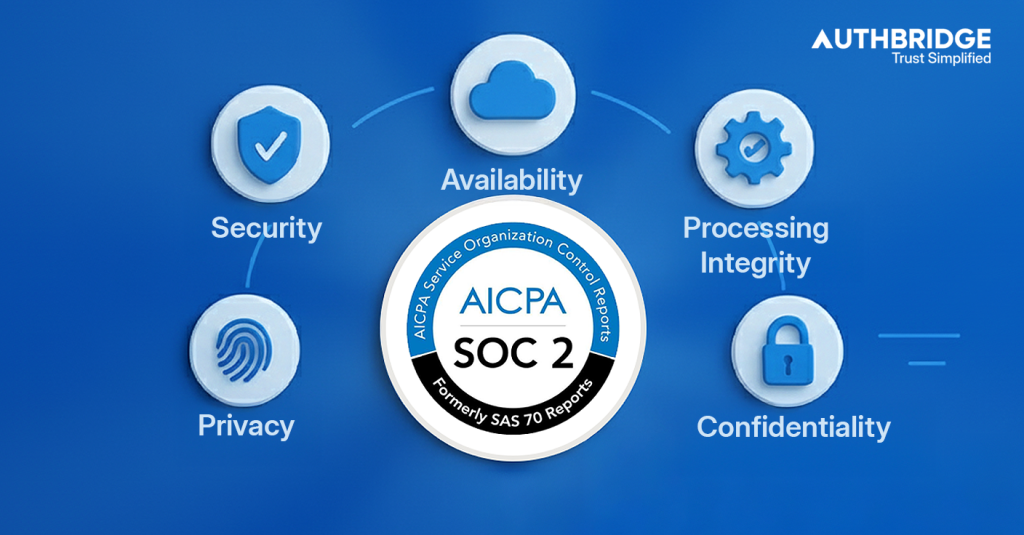
A technical course for the dev team on maintaining US data standards. Covers handling PII (Personally Identifiable Information), SOC2 compliance, and state-specific regulations like CCPA when processing estimate data.

Understanding the "Total Loss" threshold (75-80% of ACV in most states). Learn how Katalyst's AI helps shops determine early in the process if a vehicle is repairable or a total loss to save time and resources.

Supplements are where most revenue is lost. This course teaches how to use AI-generated audit reports to justify supplemental repairs and labor hours to insurance adjusters effectively.

Analyzing how Katalyst serves different shop models. This course explores the contractual obligations of DRP shops and how independent shops use AI to defend their labor rates against carrier pushback.

An overview of the US insurance market, focusing on First Notice of Loss (FNOL), liability types (comprehensive vs. collision), and the lifecycle of a claim from estimate to payment.

Using AI to compare current estimates against historical "perfect" estimates to automatically suggest missing line items that shops often overlook.

How to build and maintain the logic that flags inconsistencies, missing operations, and undervalued labor rates in real-time audits.

A foundational course explaining how Katalyst identifies missed line items and labor rate gaps in collision repair estimates to maximize shop revenue.

Understanding the three major estimating platforms. This course covers the proprietary data structures and terminology used by insurance carriers and repair shops.

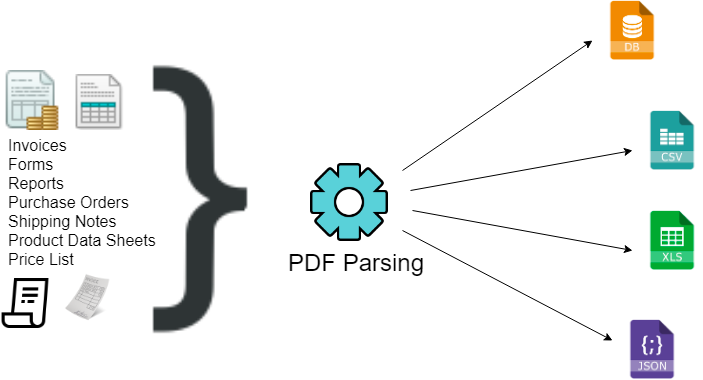
Technical deep-dive into the PDF parsing pipeline for CCC, Mitchell, and Audatex files. Learn how the system extracts raw data into structured formats.